
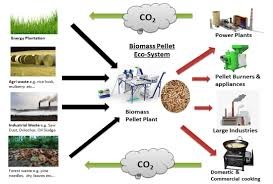
How To Reduce Emissions From Wood Pellet Biomass, Wood pellet biomass is often promoted as a renewable energy source because it utilizes organic materials instead of fossil fuels. However, burning wood pellets can still release harmful emissions such as carbon dioxide (CO₂), particulate matter (PM), and nitrogen oxides (NOₓ). To make biomass energy cleaner and more sustainable, it is important to focus on strategies for minimizing its environmental footprint. If you are wondering how to reduce emissions from wood pellet biomass, here are some practical approaches.
1. Use High-Quality Pellets
The quality of wood pellets has a direct impact on emissions. Low-quality pellets may contain bark, dust, or additives that increase smoke and particulate matter. Choosing pellets made from pure, kiln-dried wood with low moisture content ensures cleaner combustion and reduces harmful gases.
2. Invest in Advanced Combustion Technology
Modern biomass boilers and stoves are designed with improved combustion efficiency. Gasification systems, staged combustion, and automatic feed controls help burn fuel more completely, lowering emissions of CO₂, PM, and volatile organic compounds (VOCs). Upgrading older systems is one of the most effective ways to reduce environmental impact.
3. Install Effective Emission Control Systems
Technologies such as electrostatic precipitators (ESPs), cyclones, and fabric filters can capture fine particulate matter before it escapes into the atmosphere. Additionally, catalytic converters can reduce nitrogen oxides. These systems are especially useful in industrial biomass plants where emissions are higher.
4. Improve Storage and Handling
Pellet dust can contribute to air quality problems even before combustion. Proper storage in sealed, dry containers reduces dust formation and prevents excess moisture, which can increase smoke during burning.
5. Optimize Operating Practices
Ensuring that biomass boilers and stoves are operated at the correct temperature and with adequate oxygen supply improves combustion efficiency. Regular maintenance and cleaning of burners, flues, and filters also help keep emissions low.
6. Blend Biomass with Other Renewable Fuels
Co-firing wood pellets with cleaner fuels, such as biogas or agricultural residues, can reduce the overall emissions intensity. This strategy allows for gradual decarbonization while maintaining energy efficiency.
7. Encourage Sustainable Pellet Production
Sustainable forestry practices, such as replanting trees and avoiding deforestation, ensure that biomass remains carbon-neutral in the long term. Additionally, local pellet production reduces transportation-related emissions.
Conclusion
Biomass energy can play a role in the renewable energy mix, but its environmental benefits depend heavily on emission control. By using high-quality pellets, adopting advanced combustion technologies, and implementing effective emission-reduction strategies, we can significantly cut the impact of wood pellet biomass. Understanding how to reduce emissions from wood pellet biomass is essential for achieving cleaner air and a more sustainable energy future.
You Might Also Like These: