
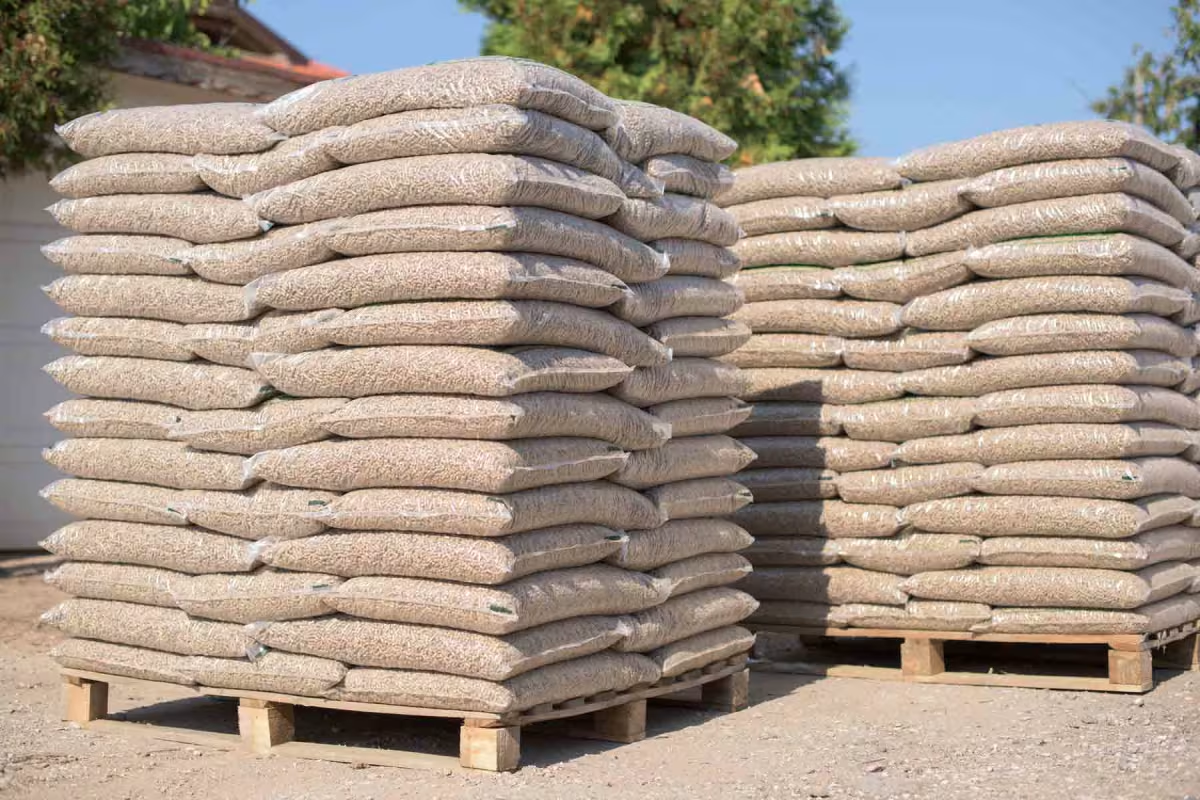
Cost Of Wood Pellets, Wood pellets have become an increasingly popular choice for heating homes and fueling biomass boilers due to their efficiency and eco-friendliness. However, one of the most common questions among consumers is: what is the cost of wood pellets? This article explores the factors that influence the price of wood pellets and helps you make informed decisions.
What Are Wood Pellets?
Wood pellets are small, cylindrical pieces of compressed sawdust or wood shavings. They are widely used as fuel in pellet stoves and boilers because of their high energy density and low moisture content. Unlike traditional firewood, wood pellets burn more efficiently, producing less ash and fewer emissions.
Factors Affecting the Cost of Wood Pellets
Several factors determine the price of wood pellets. Understanding these can help you plan your budget more effectively:
- Raw Material Quality
The type of wood used directly impacts the price. Hardwoods like oak or maple typically cost more than softwoods like pine due to their higher energy content and longer burn time. - Production Costs
Manufacturing wood pellets involves drying, grinding, compressing, and packaging the wood. Energy costs, labor, and machinery maintenance all contribute to the final cost. - Transportation and Logistics
The distance between the pellet mill and your home affects the price. Transporting pellets over long distances can increase costs due to fuel and shipping fees. - Supply and Demand
Seasonal demand, especially during the winter months, can drive up prices. Additionally, shortages of raw materials or disruptions in production can lead to temporary price spikes. - Bulk vs. Retail Purchases
Buying wood pellets in bulk, such as a ton or more, usually reduces the cost per bag. Retail purchases in smaller quantities tend to be more expensive.
Average Cost of Wood Pellets
On average, the cost of wood pellets can range from $200 to $300 per ton, depending on quality and location. Smaller retail bags (typically 40 pounds) often sell for $5 to $7 per bag, though prices may fluctuate seasonally.
Tips to Reduce Costs
- Buy in Bulk: Purchasing larger quantities reduces the price per unit.
- Compare Suppliers: Prices can vary significantly between local suppliers and online retailers.
- Check for Local Sources: Buying from nearby pellet mills can save on transportation costs.
- Plan Ahead: Stocking up before peak winter season can help avoid price hikes.
Conclusion
Understanding the cost of wood pellets is essential for efficient home heating and budgeting. Prices vary based on wood type, production, transportation, and seasonal demand. By considering these factors and planning strategically, homeowners can enjoy the benefits of this eco-friendly fuel without overspending.
You Might Also Like These: